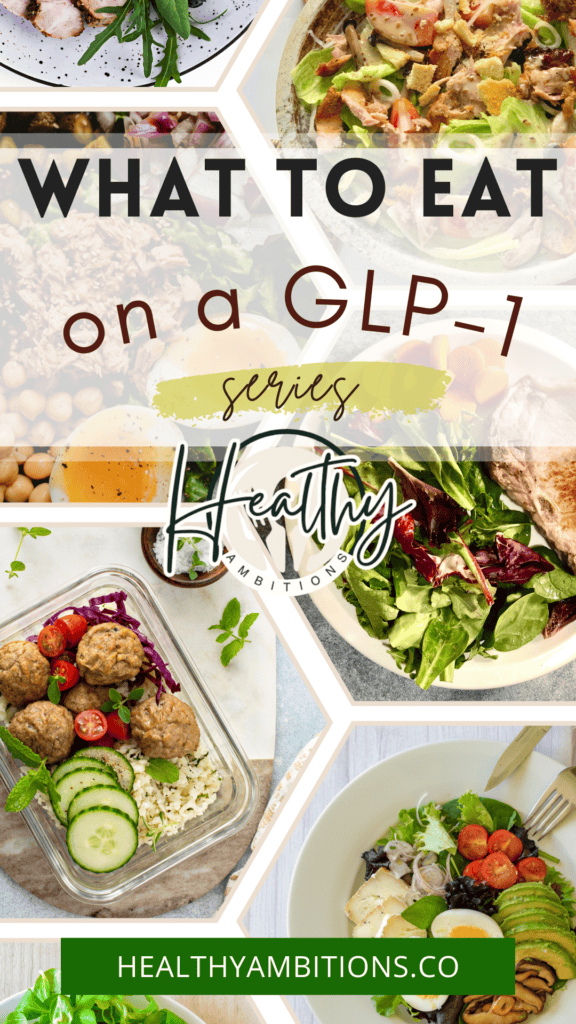
If you’re taking a GLP-1 medication like Semaglutide (Ozempic or Wegovy) to support weight loss or manage blood sugar, you’ve likely asked yourself:
“What should I be eating now?”
You’re not alone—and this is one of the most requested topics I’ve ever received from my readers.
There’s a lot of confusing information out there, and when you’re also navigating gut issues, new food allergies, or autoimmune flare-ups, it can feel overwhelming, isolating, and honestly… a little discouraging.
I get it—because I’ve been there.
Over the past year, I’ve been on a personal journey trying to figure out what my own body actually needs. From discovering a severe dairy allergy to overhauling my lifestyle to reduce inflammation, I’ve had to rethink everything I thought I knew about nutrition. That’s why this blog exists—to help take some of that guesswork off your plate.
And whether you’re starting semaglutide, managing new symptoms, or just trying to make food feel good again, this new GLP-1 Series is here to guide you with real-life, practical, and inflammation-conscious support.
No gimmicks. No crash diets.
Just simple, nourishing ideas to help you honor your hunger, fuel your body, and feel better in the process.
Disclaimer:
I'm not a doctor, dietitian, or certified nutrition coach—just someone who's done a lot of research, personal trial and error, and deep listening to what you, my readers, have been asking for.
This blog is about sharing what has worked for me—from meals I’ve eaten while navigating calorie deficit weight loss, autoimmune flare-ups, to the allergy-friendly recipes I’ve crafted for my family.
Always consult with your healthcare provider before making any significant dietary changes, especially if you’re on medication or managing chronic conditions.
If you’re taking a GLP-1 medication like Semaglutide (Ozempic or Wegovy) to support weight loss or manage blood sugar, you’ve likely asked yourself: “What should I be eating?” The answer isn’t always simple—especially when you’re dealing with side effects like nausea, reduced appetite, or food aversions.
As the creator of Healthy Ambitions, I’ve heard from so many people in this position—wanting to eat better but unsure where to start. You don’t need another restrictive diet. You need a simple, sustainable way to nourish your body, honor your new appetite, and still feel good while doing it.
Here’s your practical guide to eating well on semaglutide—especially if you’re also navigating food allergies or following a low-carb lifestyle like keto.
This post may contain affiliate links, which helps keep this content free. Please read our disclosure for more info.
Focus on Protein First
GLP-1 medications suppress appetite, so when you do eat, it’s important to prioritize nutrient-dense foods—especially protein.
Why protein matters:
- Helps maintain lean muscle mass (critical during weight loss)
- Keeps you fuller, longer
- Supports blood sugar stability
Easy, allergy-friendly protein ideas:
- Ground turkey or beef patties (no filler)
- Baked salmon or canned tuna with avocado oil mayo
- Shredded chicken mixed with olive oil and herbs
- Bone broth with added collagen peptides
- Protein smoothies with coconut milk + seed-based protein powder
Choose Low-Volume, Nutrient-Dense Veggies
Because your stomach may feel full faster, skip high-volume, low-calorie meals and instead choose small portions of nutrient-packed veggies.
Best picks:
- Roasted zucchini, asparagus, or green beans
- Steamed broccoli or cauliflower rice
- Leafy greens with olive oil and lemon juice
- Hearts of palm (great pasta or rice swap)
Avoid raw cruciferous veggies (like raw broccoli or cabbage) early on if you’re experiencing bloating or nausea.
Don’t Fear Fat (Especially the Right Kinds)
Fat is essential for hormone balance, brain health, and helping you absorb fat-soluble vitamins (A, D, E, K). On semaglutide, small portions of healthy fats can help you feel satisfied without overeating.
Try these:
- Avocado or guacamole cups
- Coconut oil or olive oil drizzled on veggies
- Sunflower seed butter with celery sticks
- Coconut cream-based soups
Eat Smaller, More Frequent Meals (If Needed)
Many people on semaglutide report feeling full after just a few bites. If that’s you, try eating 4–5 mini meals throughout the day instead of 2–3 large ones.
Listen to your body. Some days, you may only want 2 meals. Others, you’ll need a snack. That’s okay.
What to Avoid (at Least for Now)
Some foods tend to trigger nausea or discomfort while your body adjusts to semaglutide:
- Greasy or fried foods
- Heavy dairy products
- Sugary desserts or ultra-processed carbs
- Large, raw salads
- Carbonated drinks
Start slow. Keep a food journal if needed to track what sits well—and what doesn’t.
Sample Day of Eating (Allergy-Friendly & Low-Carb)
Breakfast: Bone broth + shredded chicken + spinach
Lunch: Turkey burger with sautéed zucchini + avocado mayo
Snack: Celery sticks with sunflower seed butter
Dinner: Salmon with roasted asparagus + olive oil drizzle
Optional snack: Coconut milk smoothie with seed protein + berries
Want the Full Pantry List?
Grab my free Allergy-Friendly Keto Pantry List to help you stock up on nourishing staples that work for GLP-1 support and food sensitivities. 👉 Download it here
Whether you’re new to semaglutide or just looking to feel better while you’re on it, remember: it’s not about perfection—it’s about giving your body what it needs to thrive.
You’ve got this.